10 Best Sales Automation Tools for 2026
Your Sales Team Is Busy, Not Productive. Let's Fix That.
Your reps are buried in “work” that looks useful on a dashboard and feels awful in real life. They're researching prospects, logging calls, chasing no-shows, copying notes into the CRM, and sending follow-ups that should've gone out yesterday. Meanwhile, your CRM keeps collecting half-finished records like it's a museum of good intentions.
That's the core problem with most sales automation tools. They don't just ask for budget. They ask for process clarity, clean data, team adoption, and enough patience to survive setup. So yes, the software matters. But the bigger question is simpler. Which tool fits the way your team sells?
That's where most “best tools” lists fall apart. They dump features into a blender and pretend every sales org has the same motion. They don't. A founder-led team closing from Gmail has different needs than an enterprise SDR org running segmented outbound across reps, managers, and RevOps. And a team doing intent-based LinkedIn selling shouldn't buy the same stack as a team blasting high-volume cold email.
McKinsey says about one-third of sales and sales-operations tasks can be automated with today's technology, and it estimates sales automation can drive productivity improvements and sales uplift when it's implemented well, according to McKinsey's sales automation research.
So let's skip the fluff. Here are the sales automation tools worth your attention, matched to actual sales plays instead of fantasy-land buyer personas.
Table of Contents
1. RoverLead AI
If your reps are still building LinkedIn lists by hand, opening Sales Navigator in one tab, a spreadsheet in another, and your CRM in a third, you don't have a prospecting system. You have a repetitive stress injury.
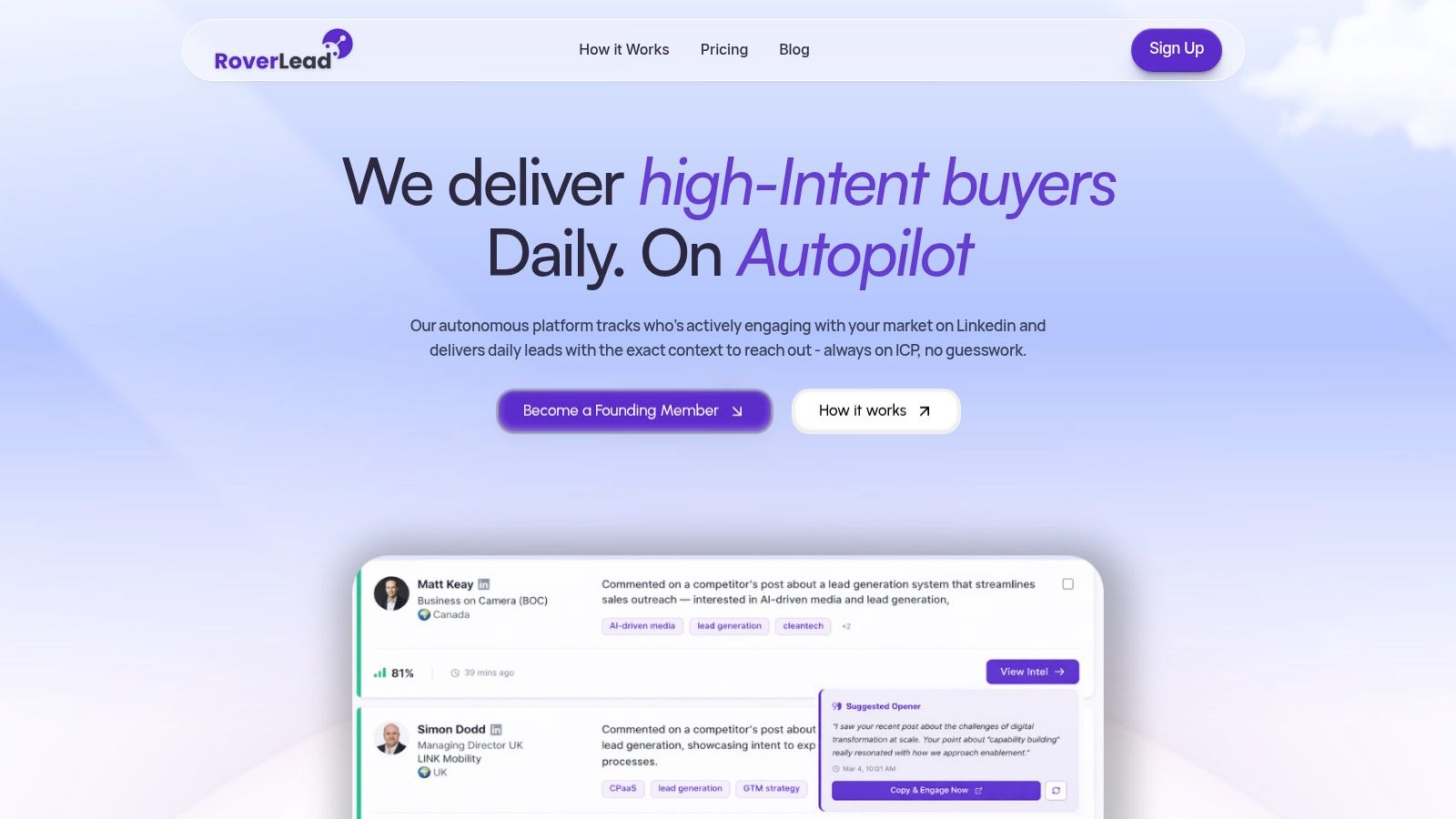
RoverLead AI is built for a different play. It watches real buyer behavior on LinkedIn and turns that activity into a daily feed of leads that fit your ICP. Instead of pulling static lists by title and company size, it looks for signals like engagement with creators, competitors, niche experts, and conversations that suggest actual buying interest.
Best for intent-based social selling on LinkedIn
This is the tool I'd hand to a team selling through credibility and timing, not brute-force volume. You set your ICP, keywords, competitors, and relevant experts, and RoverLead's Signal Agents start tracking who's interacting with your market. The setup is fast, and the output is practical. You get a shortlist with context, why the lead matters now, and an AI-written opener that sounds like social selling instead of boiler-room outreach.
That matters because quality beats activity theater. Existing coverage on sales automation often focuses on speed and time saved, but the better question is whether the tool improves pipeline quality rather than just generating more motion, as noted in Highspot's discussion of sales automation trade-offs.
Practical rule: If your buyers live on LinkedIn and your reps still “research” by scrolling manually, fix that first.
Why RoverLead AI stands out
RoverLead AI wins on context. It doesn't just tell a rep who fits a filter. It shows who's already leaning in, what they engaged with, and how to start a conversation without sounding clueless. That's a big difference.
A few things I like:
Behavior-first targeting: It prioritizes engagement signals over dead firmographic filters.
Autonomous learning: The Signal Agents get smarter from rep actions and feedback.
LinkedIn-compliant motion: You're not forcing risky automation into a channel that punishes it.
Warm outreach angle: It helps reps sell into existing network dynamics instead of interrupting total strangers.
There are trade-offs. Public pricing isn't posted, and founding access runs through a waitlist. It also works best when your market is active on LinkedIn. If your buyers ignore the platform, this won't magically create intent out of thin air.
Still, for social selling teams, this is one of the few sales automation tools that respects how modern buying signals show up. If you want a sharper view of where AI belongs in prospecting, this guide to using AI in sales is worth your time. You can check the platform directly at RoverLead AI.
2. Outreach
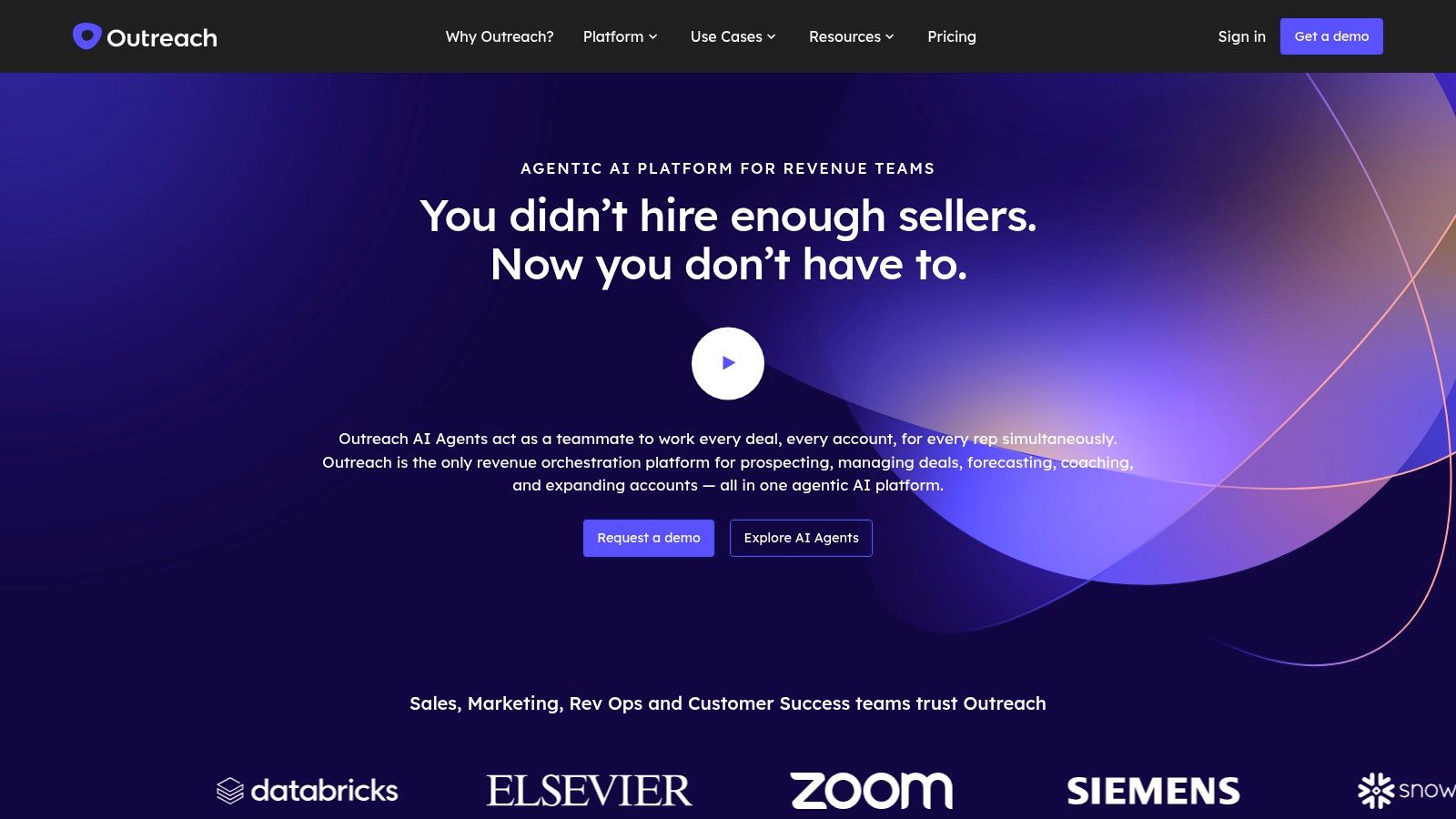
Outreach is for teams that are done duct-taping point solutions together. If you've got SDRs, AEs, managers, and RevOps all working off different definitions of “process,” Outreach gives you one operating system for execution.
Best for revenue orchestration across larger teams
This is not a lightweight tool for a three-person startup. It's built for mid-market and enterprise teams that need engagement workflows, conversation intelligence, pipeline management, forecasting, and AI assistance in one place. That's the appeal. Fewer handoffs. Fewer sync failures. Fewer reps making up their own process because nobody stopped them.
McKinsey's guidance on implementation is the useful lens here. It argues companies shouldn't automate the whole sales function at once, but should quantify potential, standardize process, and scale in phases, as outlined in McKinsey's sales automation implementation guidance. Outreach fits that kind of buyer. If you already have operational discipline, it can amplify it. If you don't, it'll expose the mess.
The strongest reason to buy Outreach is governance. Admin controls are mature, security is enterprise-friendly, and the platform is designed for consistency across roles.
Outreach is what you buy when “just send more emails” stopped working two org charts ago.
The downside is predictable. Pricing is quote-based, and implementation takes work. But if your problem is fragmented execution across a serious sales team, Outreach earns its spot.
3. Salesloft
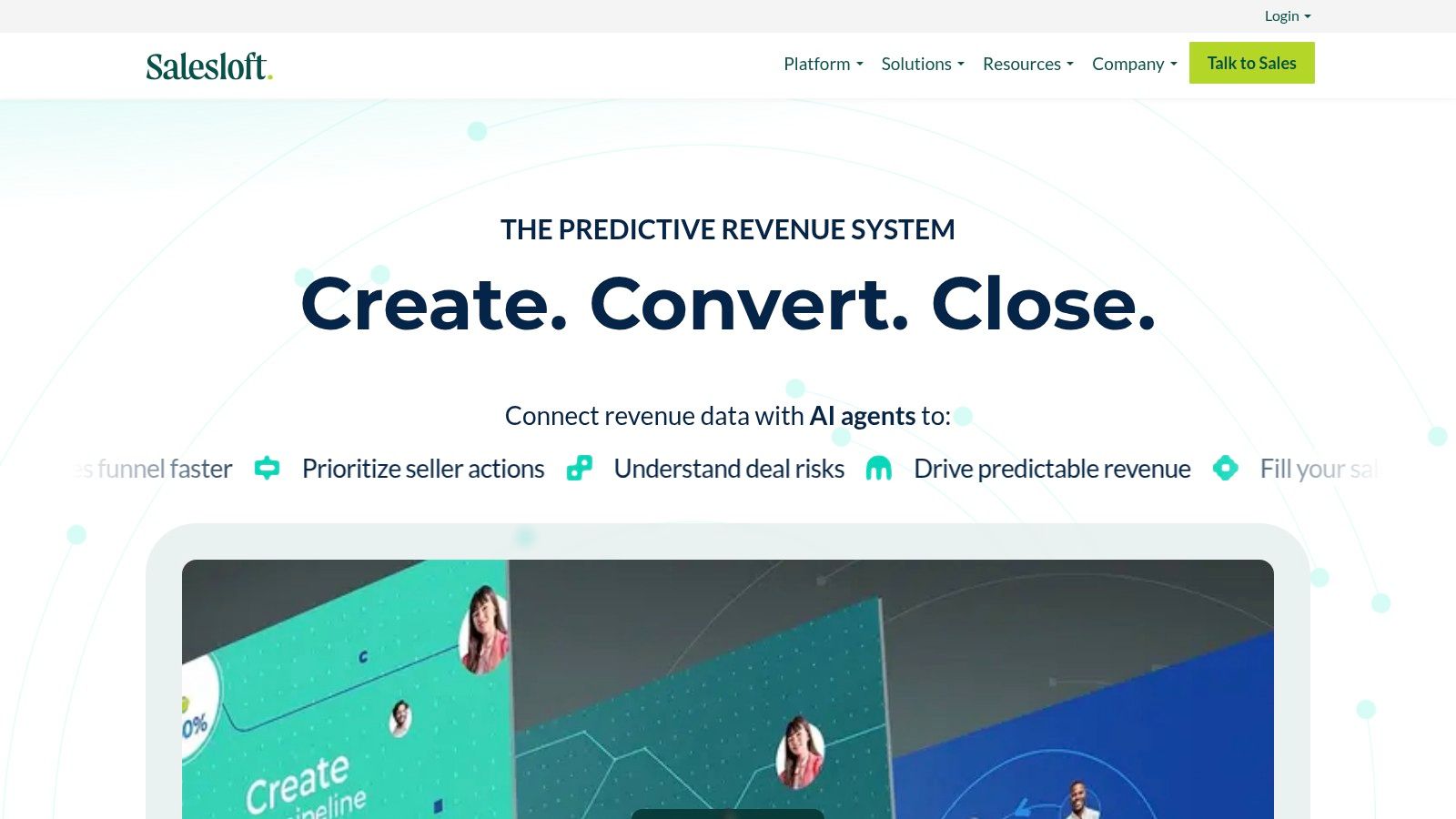
Your reps are active. Calls are happening, emails are going out, managers are asking for updates, and Salesforce is full of just enough data to start an argument. That's the kind of mess Salesloft is built to clean up.
Best for Salesforce-centric teams that need tighter rep execution and manager coaching
Salesloft fits teams with a defined sales motion, multiple reps, and a real need for consistency across outreach. Not “we should probably be more organized someday” consistency. Actual day-to-day execution that managers can inspect, coach, and improve.
That makes it a smart pick for a specific sales play. Use Salesloft when your team already lives in Salesforce and needs structured cadences, call review, activity visibility, and rep accountability in one operating layer. If your buying process depends on coordinated follow-up across SDRs, AEs, and managers, Salesloft makes more sense than lighter tools built for simple email volume.
What stands out is operational discipline. Permissioning is reliable. Workflows are well-defined. Coaching tools help managers spot behavior problems early, before the pipeline report turns ugly. If your team is working on sales process optimization across stages and roles, that matters more than another shiny AI button.
A few realities before you buy:
Best with process already in place: Salesloft strengthens a real system. It does not create one for you.
Better for structured teams than scrappy generalists: Enterprise and upper mid-market teams get more value because they have role clarity and enough activity volume to justify the platform.
Pricing still requires a sales conversation: Fine for larger orgs. Annoying for smaller ones trying to compare tools quickly.
Setup takes commitment: If your admins are stretched thin, rollout can stall.
My view is simple. Salesloft is not the tool for teams looking for the cheapest way to automate follow-up. It's the tool for leaders who want reps to run the same playbook, managers to coach from real evidence, and Salesforce to stop being a graveyard of half-finished notes.
If that sounds like your sales floor, Salesloft is still a strong buy.
4. HubSpot Sales Hub
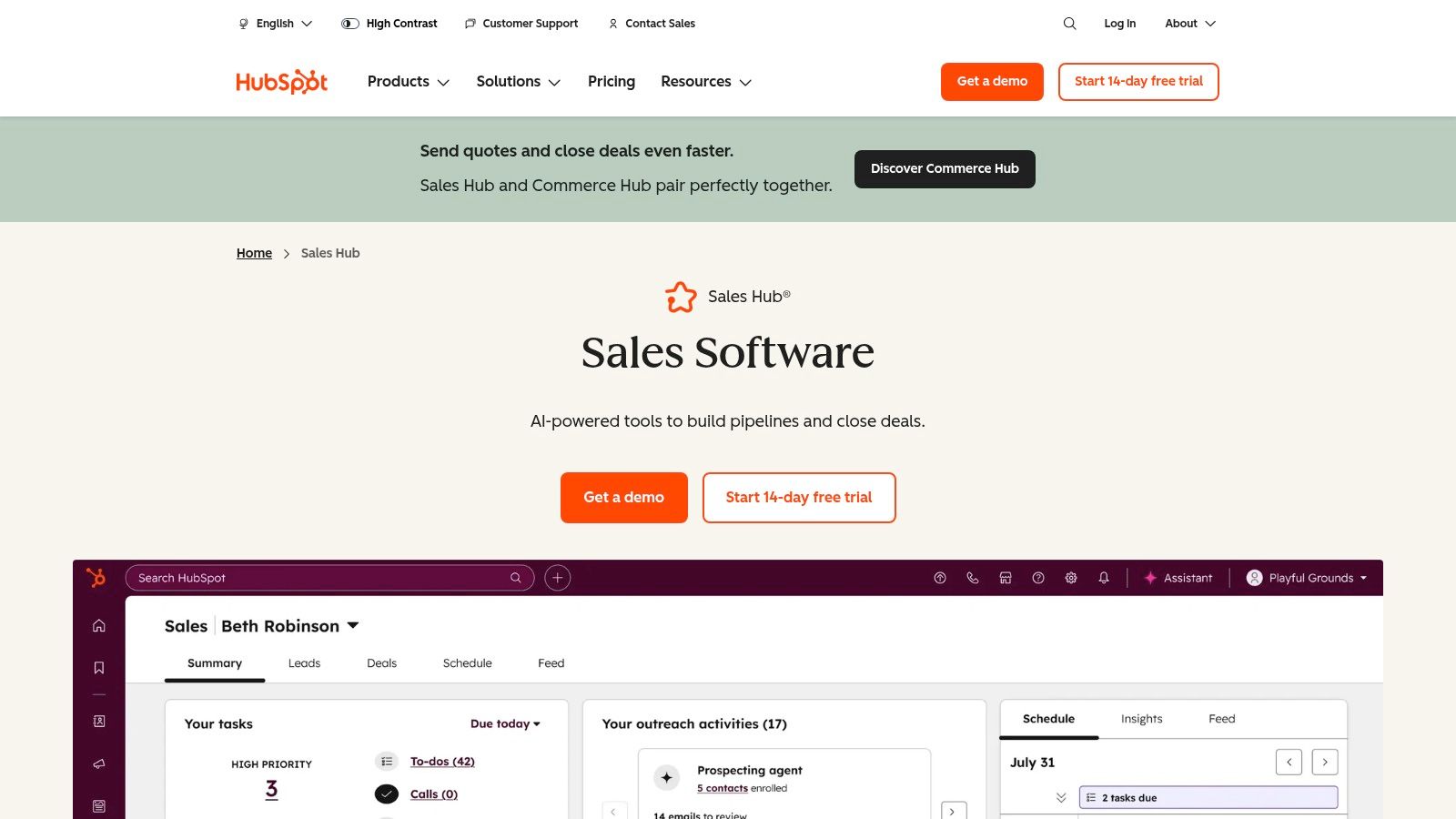
Monday morning. Marketing says the lead is hot. Sales says the contact record is missing half the activity. Customer success has its own notes somewhere else. Now your team is wasting a live deal because three systems disagree. HubSpot Sales Hub fixes that mess better than almost any tool in this category.
Best for teams that want CRM and automation together
HubSpot fits teams that want one system for the core motion, not a pile of point solutions held together by Zapier and patience. You get sequences, task queues, meeting scheduling, pipeline management, quotes, e-signatures, payments, and reporting in the same environment as the CRM. That matters because the right tool choice depends on the play you run. If your play is all-in-one execution across marketing, SDRs, and AEs, HubSpot is a stronger fit than tools built mainly for outbound cadence volume.
A key benefit is cleaner handoffs. Marketing can see what sales did. Sales can see what content a buyer touched. Leaders get reporting from one record instead of three conflicting dashboards and a weekly argument. If your team is still tightening targeting and list quality, this guide to B2B sales prospecting fundamentals will help before you automate bad inputs at scale.
HubSpot also has a type. It works best for companies that care about operational clarity more than squeezing every last custom workflow out of a specialized stack.
A few truths before you buy:
Best for all-in-one teams: If sales and marketing need shared visibility, HubSpot earns its keep fast.
Less attractive for pure outbound shops: If your team lives and dies by power dialing, advanced sequencing logic, or heavy SDR workflow customization, other tools may fit better.
Pricing climbs quickly: Starter looks friendly. Higher tiers and extra hubs change the math.
Administration stays manageable: You usually do not need a full-time systems architect just to keep the lights on.
My recommendation is straightforward. Buy HubSpot Sales Hub when your main problem is tool sprawl, messy handoffs, and reporting nobody trusts. Skip it if you want a narrowly focused outbound engine and already have a CRM your team respects. If native CRM plus automation is your play, HubSpot Sales Hub deserves a hard look.
5. Apollo.io
Apollo.io is the tool for teams that want data and execution in one place, and don't want to beg a sales rep for a demo just to get started. That self-serve motion is part of the appeal.
Best for self-serve prospecting plus engagement
Apollo combines a large B2B contact database with sequences, dialing, enrichment, analytics, and workflow automation. That makes it attractive for lean teams that need to move fast. You can build lists, enrich contacts, and launch outreach without stitching together three separate vendors before lunch.
The fit is straightforward. If your team's biggest pain is getting from “who should we contact?” to “message sent,” Apollo makes that path shorter. It's especially useful for startups and mid-market teams that care about stack simplicity and transparent plans.
That said, Apollo can get messy when credit usage starts driving decisions. If your team hates tracking consumption models, budgeting may become more annoying than it should be.
Buy Apollo when speed and self-serve control matter more than enterprise governance.
One more practical note. If you're still shaky on prospecting fundamentals, the software won't save you from a bad list strategy. Tighten the inputs first. This B2B sales prospecting guide is a good place to sharpen that foundation. For the platform itself, head to Apollo.io.
6. Reply.io
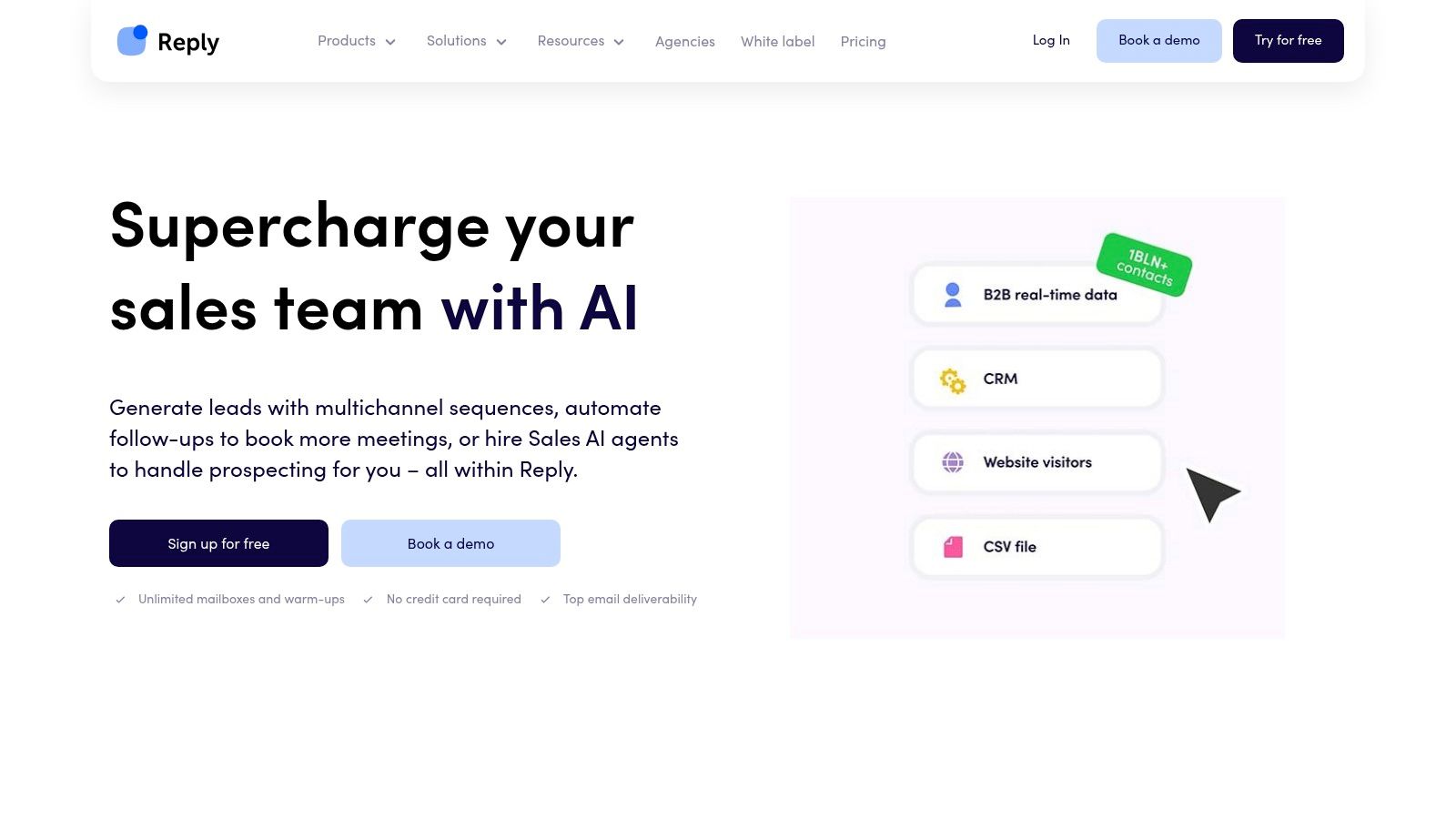
Reply.io is built for teams that care about outbound throughput and need more than basic email sequencing. If you're running multiple inboxes, juggling channels, and trying to scale outreach without descending into chaos, it's a sensible option.
Best for high-volume outbound teams
Reply supports email, LinkedIn, calls, and SMS, with public pricing and self-serve onboarding. That combination makes it attractive for SDR teams, agencies, and outsourced prospecting shops that need flexibility without an enterprise buying cycle.
Its strength is volume with structure. You can build multichannel flows, connect CRM systems, and use AI assistance without making the platform the center of your life. It's practical software for teams that need to ship.
The warning label is deliverability and signal quality. More activity isn't better if you're automating junk. A benchmark summary reports that organizations using nurture workflows with lead scoring and behavioral triggers see higher MQL-to-SQL conversion rates than batch-and-blast teams, according to Digital Applied's automation benchmark summary. Different motion, same lesson. Triggered relevance beats generic volume.
So yes, Reply can scale outreach. Just don't confuse “we sent more” with “we sold better.” You can explore it at Reply.io.
7. lemlist
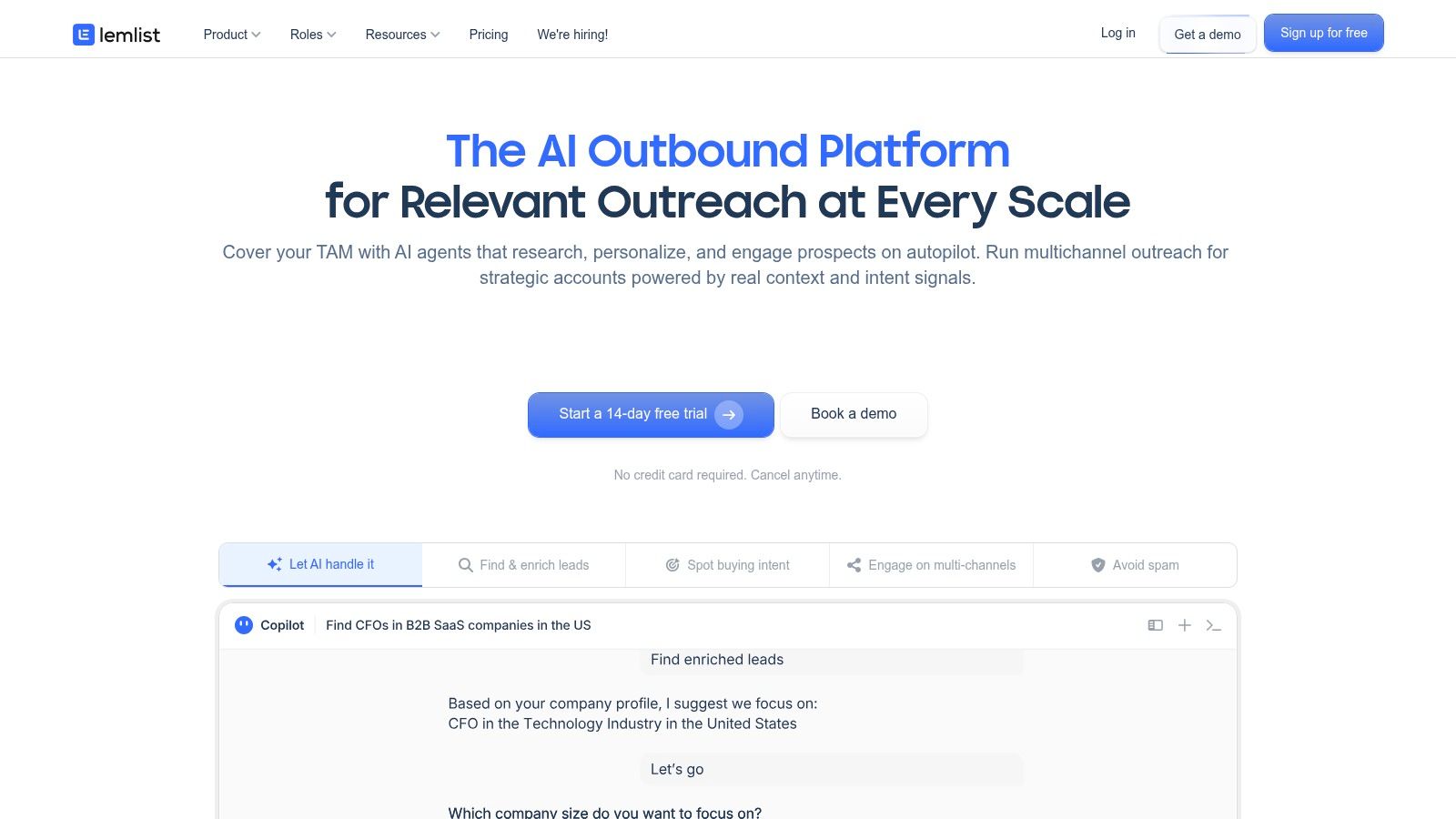
Some teams don't need a giant platform. They need better replies. That's the lane lemlist owns.
Best for personalization-first outbound
lemlist focuses on email, LinkedIn, calling, personalization, and deliverability. It's popular with SMB and mid-market teams because it gives reps enough flexibility to stand out without dropping them into enterprise-grade complexity.
The draw here is simple. It helps sellers make outbound feel less like a template factory. Image personalization, video snippets, warm-up, and sender reputation controls are practical tools when you care about whether prospects read and respond.
I also like lemlist for teams that want strong practitioner energy around the product. The playbooks and community are useful, especially for smaller teams without dedicated RevOps support.
A few trade-offs are worth calling out:
Lighter governance: It's not built for enterprise controls with many layers.
Cost creep: Multichannel usage can push seat costs up over time.
Less orchestration depth: It's not trying to be your entire revenue stack.
If your outbound problem is “our messaging feels dead on arrival,” lemlist is a smart fix.
8. Mixmax
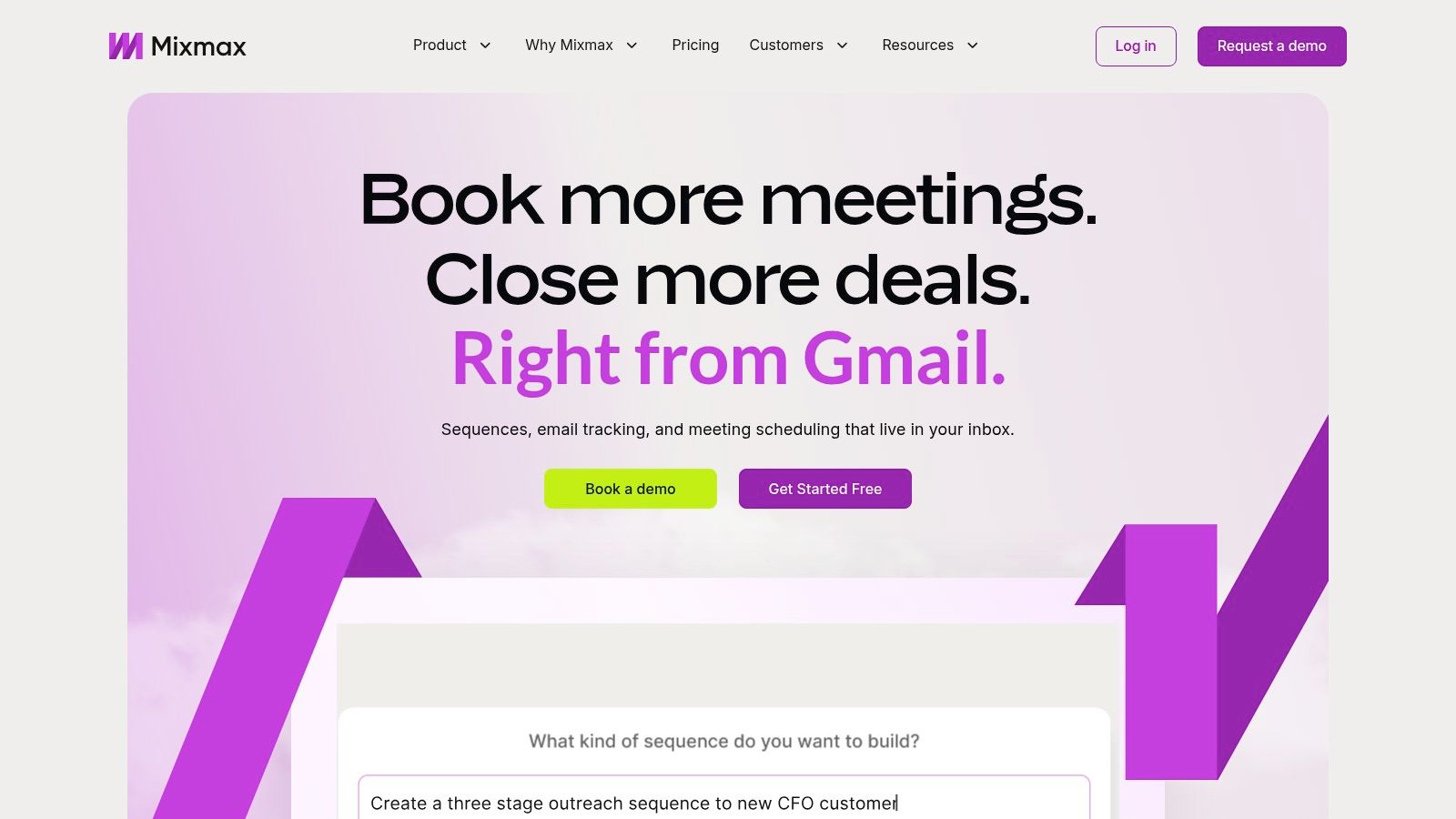
Your reps are already working out of Gmail. Then every sequence, meeting link, and follow-up asks them to jump into another tool, another tab, another mini workflow. That is how activity slips and good intentions die in browser clutter.
Best for Gmail-first sales teams
Mixmax fits teams that want automation inside the inbox instead of parked in a separate sales engagement system. If your sales motion depends on speed, tight rep adoption, and a Google Workspace setup your team already likes, this is one of the cleaner picks on the board.
That matters more than vendors admit.
A lot of sales automation tools lose reps at the point of daily use. Mixmax avoids that trap by keeping scheduling, email sequences, templates, reminders, and meeting support close to the actual conversation. Engagement Copilot, Inbox Copilot, and Meeting Copilot all serve the same goal: fewer clicks, faster follow-through, less rep drift.
I recommend Mixmax for founder-led sales teams, SMB account executives, and lean outbound groups that do not need heavy enterprise process control. It is a good match for a workflow where Gmail is the system reps trust most, and the automation layer needs to fit around that reality instead of fighting it.
The trade-off is straightforward. If your team needs deep governance, broad multi-team orchestration, or a tool that acts like the center of your revenue stack, Mixmax will feel lighter than platforms built for that job.
If your real sales play is high-output execution from the inbox, Mixmax makes sense. It keeps reps in the work instead of sending them on a tab-hopping scavenger hunt.
9. Mailshake
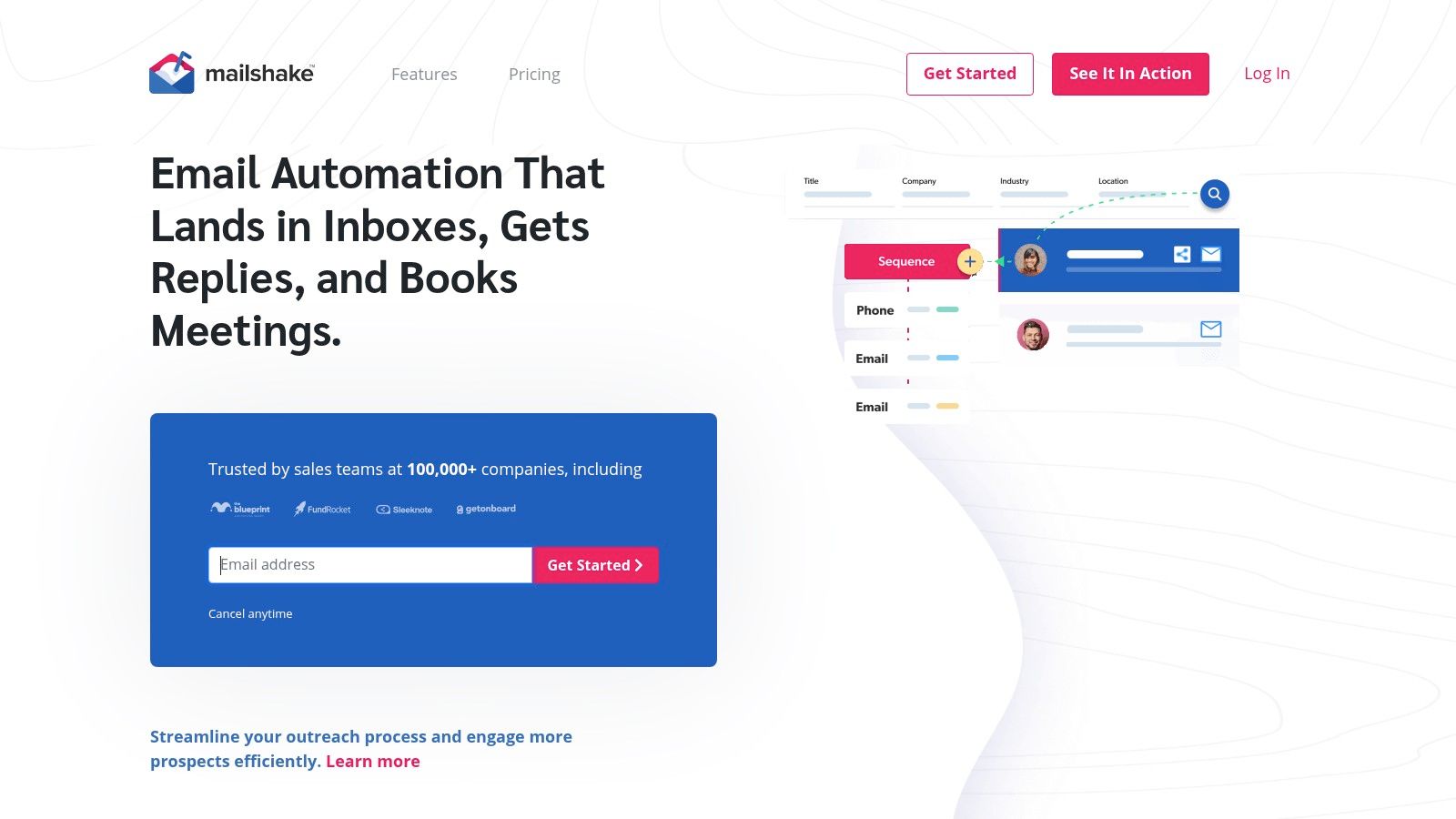
Mailshake is what I recommend when someone says, “I don't need a platform moonshot. I need cold email up and running this week.”
Best for lean teams that need simplicity
This is a simplified tool for email-first outbound, with testing, analytics, and optional phone and LinkedIn steps in higher tiers. Solo sellers, small SDR pods, and scrappy teams usually get the most value from it because setup is straightforward and the learning curve isn't obnoxious.
Mailshake's best feature is that it doesn't pretend to be more than it is. It helps you build campaigns, test messaging, track performance, and keep moving. That's useful when your team needs execution, not a six-month transformation program.
The flip side is obvious. You'll likely pair it with separate data, enrichment, or intent tools. Mailshake isn't the answer to every outbound problem, and that's fine.
Simple tools win when the real enemy is delay.
If you want clean, fast email automation without extra baggage, Mailshake does the job.
10. Close CRM
Your reps are calling from one app, emailing from another, texting from a third, and updating the CRM last. That setup kills follow-up speed and gives founder-led teams exactly what they do not have time for. Admin work.
Best for startups and founder-led sales
Close works best for teams that want one system for outreach and pipeline management, not a stack of loosely connected tools. If your sales play is high-touch outbound with fast follow-up, built-in calling, SMS, email, sequences, workflows, reporting, and AI assistance in one place is the right trade.
That is the core appeal here. Close matches the way small teams truly sell. One rep owns the prospect, runs the conversation across channels, and needs the full history in front of them without clicking through five tabs.
I recommend Close for startups, SMBs, and founder-led teams that care more about speed than custom architecture. It keeps reps in the work instead of in system maintenance, which is usually the difference between a tool people use and a tool they avoid.
Close is not the pick for companies that need deep Salesforce-style customization, layered approvals, or heavy governance across large teams. It is the pick for teams that want a practical all-in-one sales system and would rather ship pipeline than spend a quarter configuring fields.
If that sounds like your operating style, Close CRM is worth a serious look.
Top 10 Sales Automation Tools Comparison
Product | Core focus & key features | UX / Performance ★ | Pricing & value 💰 | Target audience 👥 | Unique selling point ✨ |
|---|---|---|---|---|---|
RoverLead AI 🏆 | Behavior‑first intent; autonomous Signal Agents; daily contextual lead feed; AI openers | 2–3x reply rates; 30–50% more meetings; ≤60% less research ★★★★ | Founding waitlist; locked lifetime rate for early members 💰 | B2B sellers focused on LinkedIn/social selling; SDRs & AEs 👥 | Autonomous LinkedIn intent + context‑rich leads; LinkedIn‑compliant ✨ |
Outreach | Multichannel sequences; convo intelligence; pipeline & forecasting; AI agents | Enterprise‑grade orchestration; measurable ROI ★★★★ | Quote‑based, enterprise budgets 💰 | Mid‑market & enterprise SDR/AE teams 👥 | Revenue orchestration at scale with agentic AI ✨ |
Salesloft | Cadences, dialer, convo intelligence, analytics | Proven enterprise scale; Salesforce synergy ★★★★ | Sales‑led quoting; enterprise pricing 💰 | Salesforce‑centric enterprise sales teams 👥 | Category leadership + robust workflow/permissions ✨ |
HubSpot Sales Hub | Sequences, CPQ/quotes, e‑sign, native CRM integration | Unified CRM + sales automation; strong enablement ★★★★ | Tiered pricing + add‑ons; onboarding fees at higher tiers 💰 | Teams wanting CRM + marketing/service alignment 👥 | All‑in‑one Smart CRM with embedded AI ✨ |
Apollo.io | Large B2B contact database; sequences; enrichment & intent signals | Self‑serve onboarding; data‑driven prospecting ★★★ | Public plans; credit add‑ons for enrichment 💰 | SMBs & mid‑market teams needing contacts + engagement 👥 | Integrated large contact dataset + engagement tools ✨ |
Reply.io | Multichannel outreach (email/LinkedIn/calls/SMS); AI SDR mode | High‑volume outbound & agency workflows ★★★ | Public tiers + credits/add‑ons 💰 | High‑volume SDR teams and agencies 👥 | Deliverability + multichannel automation for scale ✨ |
lemlist | Email/LinkedIn sequences; advanced personalization; warm‑up tools | Strong personalization & practitioner community ★★★ | Per‑seat tiers; scales with usage 💰 | SMBs/mid‑market teams prioritizing reply rates 👥 | Image/video dynamic snippets & deliverability controls ✨ |
Mixmax | Gmail‑native sequences; Engagement/Inbox/Meeting Copilots | Frictionless for Google Workspace users ★★★ | Modular Copilot pricing; add‑ons available 💰 | Sellers who live in Gmail & Google Calendar 👥 | Gmail‑native AI copilots for inbox + meetings ✨ |
Mailshake | Cold email sequencing, A/B testing; optional phone/LinkedIn | Simple, quick setup for lean teams ★★★ | Straightforward plans; affordable for small teams 💰 | Solo sellers & small SDR pods 👥 | Ease of use + reliable sender infrastructure ✨ |
Close CRM | Action‑oriented CRM with native dialer, SMS, sequences, AI agent | Fast setup; all‑in‑one communications for SMBs ★★★ | Transparent SMB‑friendly tiers 💰 | Startups, founder‑led sales, growing SMBs 👥 | Built‑in calling/SMS + AI sales agent for quick ops ✨ |
Stop Shopping and Start Automating
The perfect sales automation tool doesn't exist. Good. You don't need perfection. You need fit.
That's the mistake buyers keep making. They chase feature breadth, AI labels, and giant comparison charts, then wonder why adoption stalls after the launch party and a few optimistic Slack messages. Your team doesn't need the most software. It needs the least friction in the core sales motion you already run.
If your reps win through LinkedIn timing and relevance, buy for signal detection and context. That's why RoverLead AI stands out. If your world is structured outbound at scale, look at platforms like Reply.io, Outreach, or Salesloft. If you want CRM plus automation in one ecosystem, HubSpot Sales Hub or Close will make a lot more sense than cobbling together five tools and calling it strategy.
The bigger point is process discipline. Sales automation works when you automate the right steps in the right order. McKinsey's implementation guidance gets this right. Standardize first, then scale. Don't automate chaos and act surprised when the chaos gets faster.
There's another shift smart buyers should pay attention to. Adoption alone isn't the advantage anymore. A benchmark summary notes that many enterprise and mid-market teams already use at least one automation platform, which means the edge now comes from how well your system identifies intent, routes follow-up, and supports actual buying behavior rather than generic activity, as noted earlier in the conversion benchmark coverage. In plain English, sending more isn't impressive. Sending smarter is.
So make the decision like a sales leader, not a tourist.
Choose the tool that matches your sales play.
Choose the tool your team will use.
Choose the tool that improves pipeline quality, not just rep busyness.
Then commit. Train people properly. Clean up the workflow. Tighten the handoffs. Review outputs weekly. Sales automation tools are an amplifier, not magic. They amplify what's already in the system. If your motion is sharp, they help you scale it. If your motion is sloppy, they just help you fail with better reporting.
Stop shopping for the mythical all-in-one answer. Buy for the motion, fix the process, and get your reps back to selling. That's where the revenue is.
If your team sells on LinkedIn and you're tired of wasting rep time on manual list-building, RoverLead AI is the smart place to start. It turns real engagement signals into daily, high-intent leads with context and ready-to-use openers, so your outreach feels timely instead of cold. For teams that want warmer conversations and less prospecting grunt work, it's a serious upgrade.